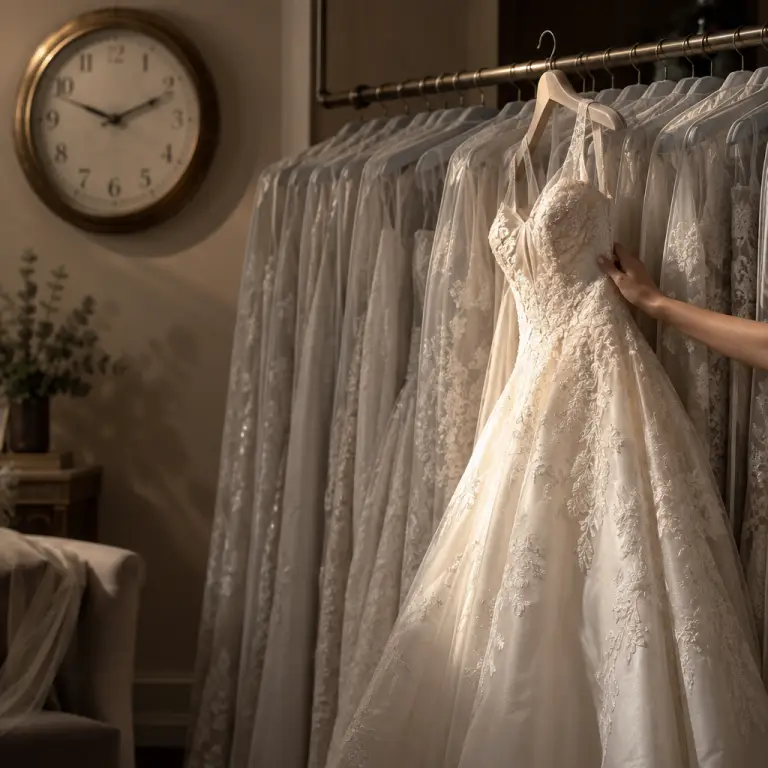
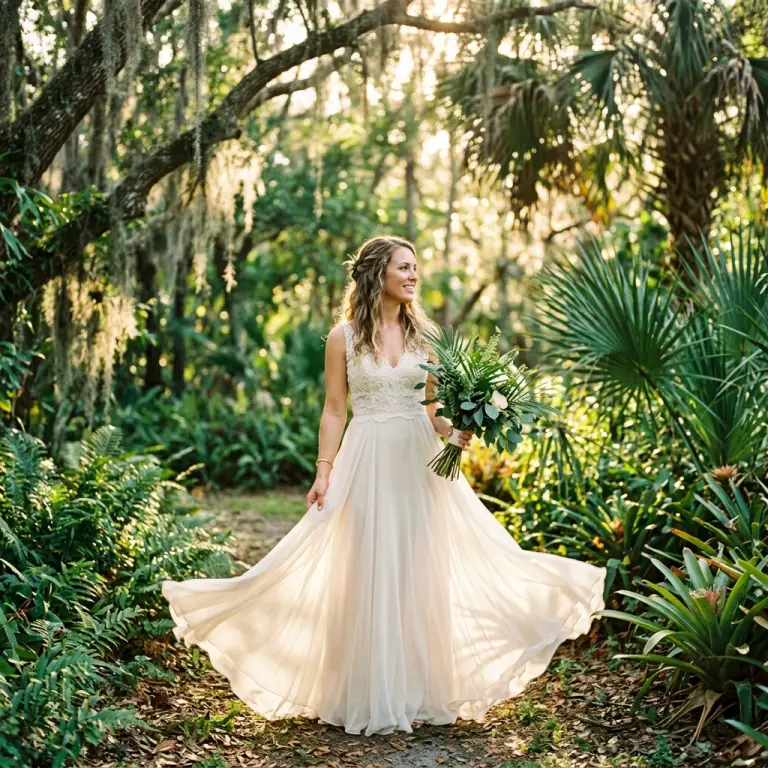
A corset wedding dress is the most requested and most misunderstood thing on our racks right now. Brides come in asking for one and mean two entirely different things by it, which is why the first five minutes of the appointment usually get spent sorting out which one they actually want.
Sometimes they mean the bodice, a structured, boned front that shapes the torso. Sometimes they mean the back, a laced closure with ribbon and grommets. Plenty of gowns have one without the other. Knowing the difference before you shop changes what you ask for and what you end up loving.
Two different things wearing the same name
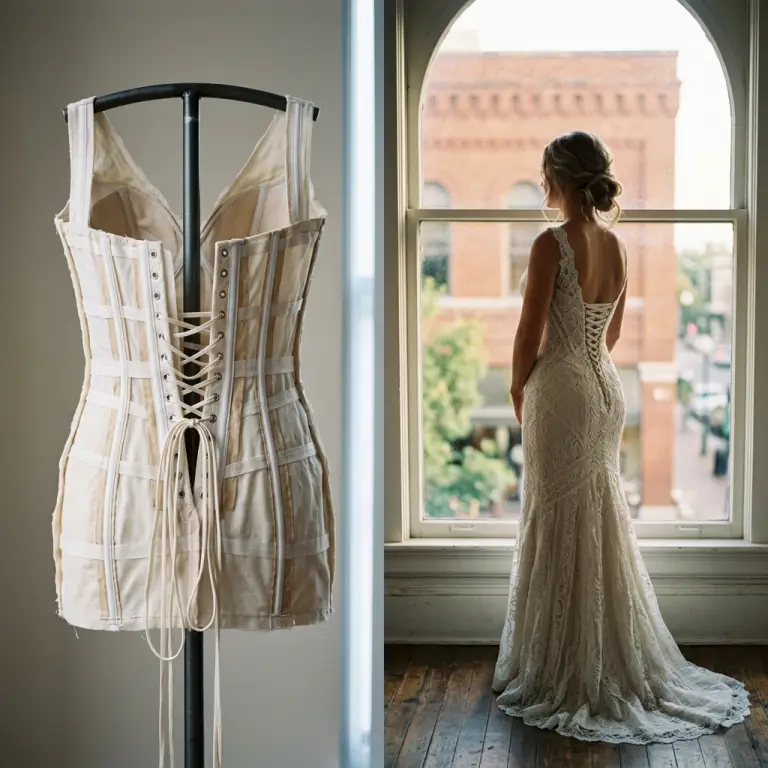
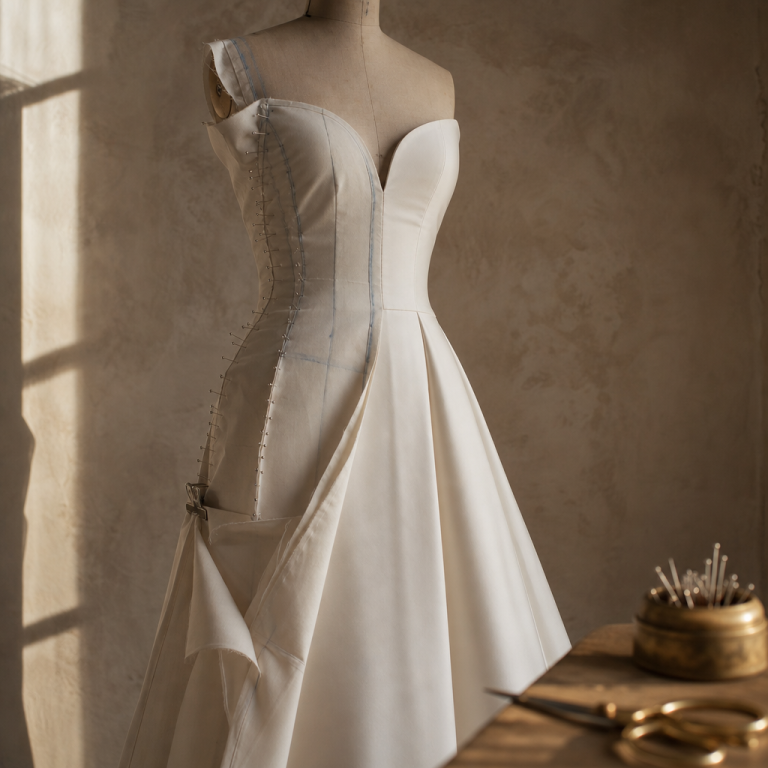
The corset bodice is about structure. Boning is sewn into channels through the front and sides of the gown, the bodice is lined and often underlined, and the result is a garment that stands up on its own. Set it on a table and it holds its shape. That is the whole design intent: the dress supports you instead of the other way around.
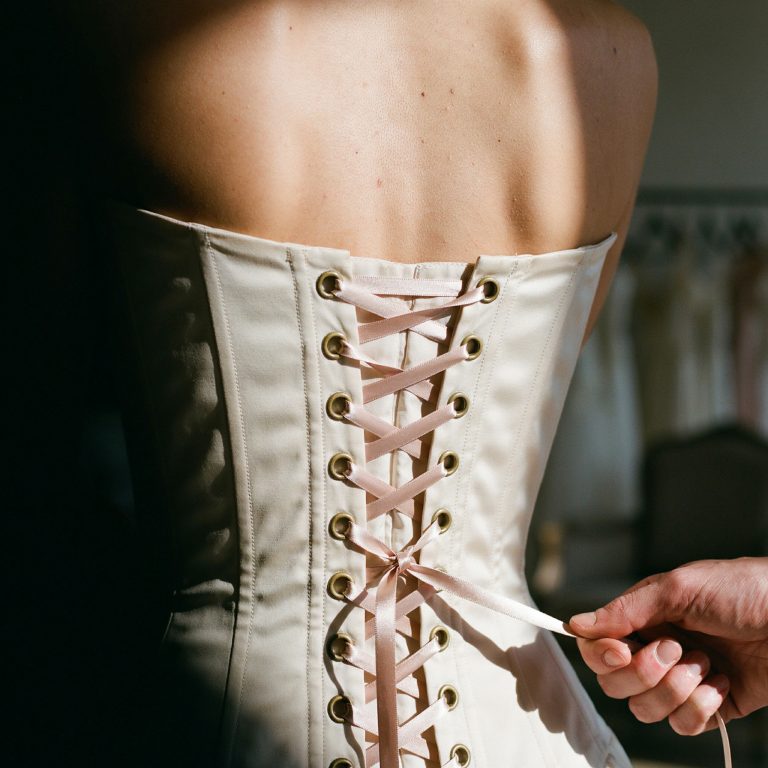
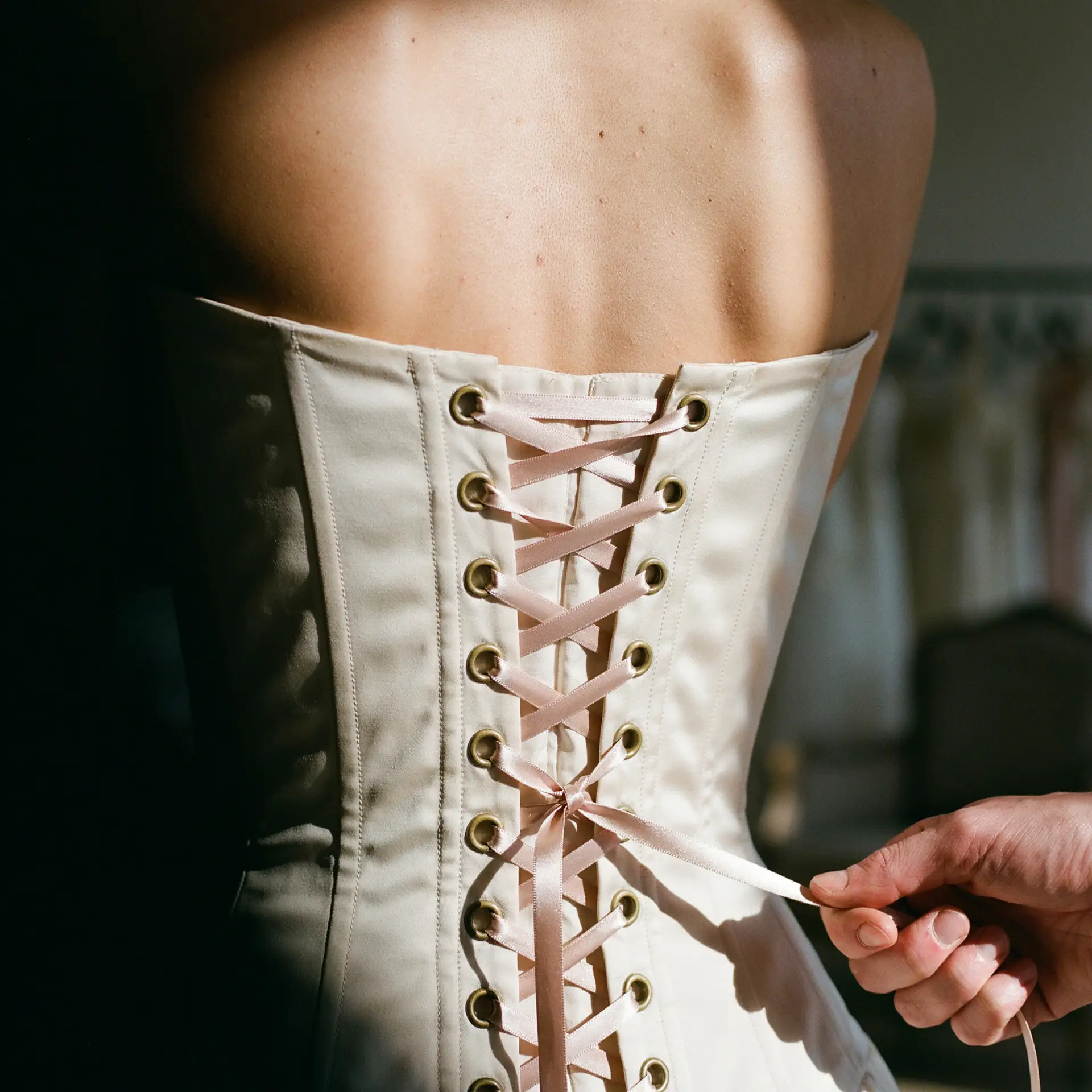
The corset back is about closure. Instead of a zipper, the gown laces through grommets or loops with a ribbon, usually over a modesty panel that sits between the lacing and your skin. It creates a specific look across the back, and it changes how the gown fits in ways worth understanding.
A gown can be one, the other, or both. Most of the gowns brides picture when they say corset wedding dress are both, but plenty of beautiful options are only one, and ruling those out early is how brides accidentally narrow their own search.
Why the laced back is a fitting advantage
This is the part nobody explains at the start. A zipper commits to a single measurement. Once it is set, it is set, and any change to your body means a trip back to the seamstress.
A laced back adjusts across a range. Tighten it, loosen it, and the gown still closes and still looks correct. For a bride ordering six to nine months out, that flexibility is genuinely valuable, because bodies change in that window for all kinds of ordinary reasons. It also gives your seamstress room to work. A corset back can be taken in at the side seams while the lacing absorbs the rest, which is often a simpler job than reworking a zippered back entirely.
It helps most for brides who fall between standard sizes, which is a large share of brides. Rather than choosing the size that pinches or the size that gapes, a laced back lets the gown meet you where you are.
How a corset wedding dress should actually fit
Here is the test we use in the fitting room, and you can use it yourself.
The bodice should sit flush against your ribcage with no gap at the top edge. Slide a flat hand between the gown and your chest and there should be resistance, not space. If you can see daylight under the neckline when you lean forward, the bodice is too big, no matter what the tag says.
The lacing should close to a consistent gap the whole way down. A corset back is not supposed to close edge to edge like a zipper, and the modesty panel showing through the lacing is intentional design, not a fit failure. What matters is that the gap is even. A back that closes tight at the top and gaps wide at the waist means the gown is not shaped to your torso yet, and that is a fitting problem rather than a sizing one.
You should be able to breathe fully, sit down, and raise your arms. The corset look people associate with historical tightlacing is not how a modern bridal bodice is built, and any stylist telling you the discomfort is normal is wrong. If the boning digs at the top of your hip when you sit, the bodice is too long for your torso and needs adjusting. That is a straightforward fix caught at the first fitting and an expensive surprise caught the week of the wedding.
The corset has a long and genuinely fascinating history as a garment, and the Costume Institute at the Metropolitan Museum of Art holds examples going back well over a century in its collection of more than thirty five thousand costumes and accessories. The bridal version borrows the shape and almost none of the constriction.
Who it flatters, honestly
Almost everyone, with caveats worth knowing.
The corset bodice is exceptional at defining a waist, because the structure creates the line rather than relying on your body to make it. That is why it works beautifully on brides who feel they do not have a defined waist, and why it also works on brides who do and want it emphasized.
For fuller busts, a structured boned bodice does real work that no undergarment will match, which is why most of our brides try these gowns on without a bra. The support is engineered into the seams. For curvier figures more broadly, the combination of a boned front and a laced back is one of the most reliably flattering constructions in bridal, and it is well represented in our plus size collection, which runs to size 30.
Petite brides should watch torso length. A corset bodice cut for a longer torso will sit too low and compress the waist, and while that is adjustable, it is better to start with a bodice proportioned closer to your frame. Tell your stylist you are petite at the start and she will pull accordingly.
The one group that should think carefully is brides who genuinely dislike the sensation of a firm garment. The gown is supposed to feel secure, not tight, but secure is still a feeling, and if you know you hate it, say so and try something soft and unstructured alongside it. Trying both back to back tells you more than any amount of deciding in advance.
Corset gowns in the Florida heat
Structure adds layers. Boning channels, lining, and often an underlining sit between you and the air, and a St. Petersburg wedding in July is not a neutral environment.
The fix is fabric rather than abandoning the silhouette. A corset bodice under a lightweight tulle or chiffon skirt is a completely different day than the same bodice under layered satin. Look at what happens below the waist and let the structure stay where it earns its keep. Our guide to wedding dress silhouettes covers how each shape moves, which matters more outdoors than most brides expect.
For beach and waterfront ceremonies specifically, the laced back is quietly practical. Humidity and a long day of dancing are exactly the conditions where a gown that can be loosened slightly without looking loosened is a gift.
What to ask at your appointment
Ask whether the boning is in the gown or whether the shape relies on a built in cup only, because those are different levels of support. Ask whether the lacing is functional across a range or largely decorative over a hidden zipper, since both exist and they behave very differently at fittings. Ask what the bodice needs from you in terms of undergarments, and ask to sit down in it before you decide.
Then move. Walk the length of the room, raise your arms, hug someone. A corset wedding dress that looks perfect standing still and pinches when you reach is not the right gown, and the only way to find that out is in the fitting room.
Our appointments are private, which means the boutique is yours for the length of the appointment and you can take the time to do all of that without an audience. Book a private VIP appointment and bring the people whose opinions you actually want.
Frequently asked questions about corset wedding dresses
What is a corset wedding dress?
It refers to either a boned, structured bodice that shapes and supports the torso, or a back that laces closed with ribbon through grommets, or both together. Many gowns have one feature without the other, so it is worth being specific about which you want.
Is a corset wedding dress uncomfortable?
It should not be. A modern bridal corset bodice is built to feel secure, not constricting. You should be able to breathe fully, sit down, and raise your arms. If boning digs when you sit, the bodice is too long for your torso and needs adjusting.
Does a corset back close all the way?
No, and it is not meant to. A laced back closes to an even gap over a modesty panel, which is intentional design. What matters is that the gap stays consistent from top to bottom rather than pulling tight in one place and gaping in another.
Is a corset back better if I am between sizes?
Usually yes. A laced back adjusts across a range instead of committing to a single measurement, which helps if you fall between standard sizes or if your body changes between ordering and the wedding.
Do I wear a bra with a corset wedding dress?
Most brides do not. A properly boned bodice provides the support, which is the entire point of the construction. Some brides add shapewear for smoothing and many wear nothing underneath. Your stylist will advise per style.
Does a corset wedding dress work for plus size brides?
Very well. A boned bodice creates the waistline through structure rather than compression, and a laced back gives a fit range a zipper cannot. The Dressing Room in St. Petersburg carries plus size gowns in sizes up to 30.
Are corset wedding dresses harder to alter?
Not harder, but more skilled. Taking in a boned bodice means opening seams and repositioning boning channels rather than simply removing fabric. It is routine work for a bridal seamstress and one reason to have alterations done by someone who works with these gowns regularly.
Will a corset gown be too hot for a Florida wedding?
The bodice adds layers, so the skirt fabric decides the day. A structured bodice over lightweight tulle or chiffon wears far cooler than the same bodice over layered satin. Tell your stylist your month and venue.
Can someone else lace me into my dress?
Yes, and they should practice. Lacing takes a few minutes and needs even tension from bottom to top. Have whoever is helping you do it at your final fitting so the wedding morning is not the first attempt.
How do I know if the corset fits correctly?
Slide a flat hand between the gown and your chest and feel resistance rather than space, check that the lacing gap is even down the whole back, then sit, walk, and raise your arms. If all four hold up, the fit is right.
Come try one on
A corset wedding dress is almost impossible to judge from a photograph, because everything that makes it work is a physical sensation. The way it holds, the way the lacing tightens, whether it feels like armor or like nothing at all.
Book a private appointment at our St. Petersburg boutique and try the structured and the soft back to back. Your answer will be obvious within about ninety seconds. Browse our designer collections first or just come in and let your stylist pull for you.